- +355 68 409 4441
- info@vitaldental.al
- Rruga Muhamet Gjollesha, Tiranë
- Mon – Sat: 9:00am – 6:00pm



Our Contacts
Let's keep in touch
Vital Dental is a dental clinic in Tirana, Albania, specializing in dental implants. We offer a full range of services in all areas of dentistry.
Rruga Muhamet Gjollesha, Tiranë
Working Hours
Mon – Sat: 9:00am – 6:00pm
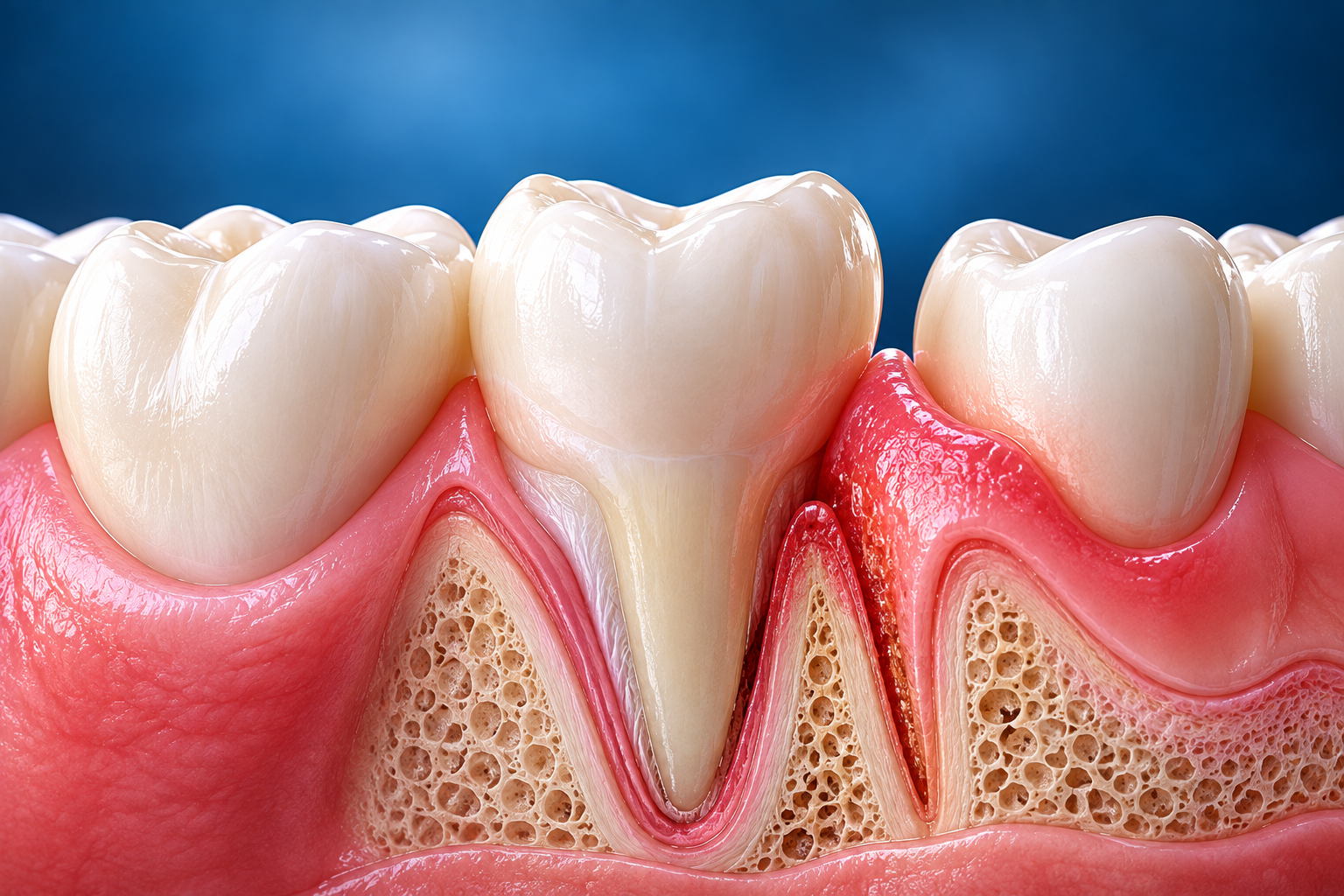
What is Periodontology
Periodontics is the branch of dentistry that diagnoses, treats, and prevents periodontal disease, particularly gingivitis and periodontal disease. During a dental exam, the specialist examines the gums, checks for receding gums, and checks the periodontal space with a probe-the space between the teeth and gums.
Periodontal diseases: gingivitis and periodontitis
Periodontitis (pyorrhea) is the most serious and dangerous of the diseases treated by periodontologists because, over time, it can worsen to the point of tooth loss. This is because the infection attacks the bone that supports the teeth. This disease is caused by poor oral hygiene, which initially causes gum inflammation and, if not treated promptly, can progress to pyorrhea or periodontitis.
This disease can also be caused by excess tartar , improperly performed dental procedures, or as a consequence of other conditions such as smoking , diabetes , and vitamin C deficiency. Numerous recent scientific studies have shown that periodontitis, especially in its more aggressive form, can be caused by genetic factors. Unfortunately, despite its severity, the disease usually causes mild symptoms that people are not aware they have.
This disease can also be caused by excess tartar , improperly performed dental procedures, or as a consequence of other conditions such as smoking , diabetes , and vitamin C deficiency. Numerous recent scientific studies have shown that periodontitis, especially in its more aggressive form, can be caused by genetic factors. Unfortunately, despite its severity, the disease usually causes mild symptoms that people are not aware they have.
Gingivitis
This milder form of periodontal disease causes redness and swelling at the gum edges, sometimes bleeding when brushed with a toothbrush. It can be chronic or acute.
Chronic gum disease refers to plaque covering the teeth and gums, while acute gum disease refers to a specific infection or lesion. Gingivitis can be prevented by practicing careful daily oral hygiene, including brushing and flossing.
In addition to poor oral hygiene, causes of gingivitis have been linked to smoking, diabetes, genetic predisposition, aging, substance abuse, certain medications, and HIV infection, although pregnancy and puberty can also cause gingivitis.
Chronic gum disease refers to plaque covering the teeth and gums, while acute gum disease refers to a specific infection or lesion. Gingivitis can be prevented by practicing careful daily oral hygiene, including brushing and flossing.
In addition to poor oral hygiene, causes of gingivitis have been linked to smoking, diabetes, genetic predisposition, aging, substance abuse, certain medications, and HIV infection, although pregnancy and puberty can also cause gingivitis.
Periodontitis or pyorrhea
Periodontitis is an inflammation of the bone and tooth tissue. It is accompanied by loose teeth due to redness, irritation, pain, swelling, and scaling. The causes can be varied, from poor hygiene to genetics.
It is a periodontal disease that affects the alveolar bone and periodontal ligament. It is virtually painless. During the progression of gingivitis to periodontitis, there is no pain, and the only symptom is loosening of the teeth. Progressive gingivitis can lead to periodontitis.
Unremoved plaque builds up due to infiltration under the gums. Toxins produced by bacteria cause inflammation that irritates the gums and destroys the tissue supporting the teeth. Periodontal pockets form and become infected, deepening and destroying the gum tissue. In this case, the tooth may become loose and must be removed.
Symptoms of periodontal disease:
1. Bleeding gums when brushing
2. Redness and swelling of the gums
3. Severe bad breath
4. Formation of deep pockets between teeth and gums
5. Loosening of the teeth
6. Pain when chewing
7. Plaque and/or pus on the gums
It is a periodontal disease that affects the alveolar bone and periodontal ligament. It is virtually painless. During the progression of gingivitis to periodontitis, there is no pain, and the only symptom is loosening of the teeth. Progressive gingivitis can lead to periodontitis.
Unremoved plaque builds up due to infiltration under the gums. Toxins produced by bacteria cause inflammation that irritates the gums and destroys the tissue supporting the teeth. Periodontal pockets form and become infected, deepening and destroying the gum tissue. In this case, the tooth may become loose and must be removed.
Symptoms of periodontal disease:
1. Bleeding gums when brushing
2. Redness and swelling of the gums
3. Severe bad breath
4. Formation of deep pockets between teeth and gums
5. Loosening of the teeth
6. Pain when chewing
7. Plaque and/or pus on the gums
Treatment and therapy of gingivitis and periodontitis
Therapies and treatments for gingivitis and periodontitis depend on the stage of the disease. In the early stages of gingivitis, simply removing plaque and maintaining good daily oral hygiene are sufficient. We offer special non-surgical treatments to control bacterial growth and surgical treatments to restore the tissue that supports the teeth.
Non-surgical treatments for gingivitis and periodontitis
As mentioned, in the early stages of the disease, the orthodontist removes plaque and tartar while thoroughly cleaning the teeth. Removing plaque and tartar from deep periodontal pockets may require a more thorough cleaning of the root surface under local anesthesia.
Surgical treatments for gingivitis and periodontitis:
1. Periodontal pocket reduction: Tartar is removed by lifting the gums and then bringing them closer to the teeth.
2. Bone grafting: Using your own bone fragments, synthetic bone, or donor bone to replace lost bone. Grafts allow bone to regenerate.
3. Soft tissue grafts: Grafts taken from the mouth and used to strengthen the gums.
4. Tissue regeneration aid: Stimulates gum and bone growth. A piece of tissue is inserted between the bone and gum to allow bone and gum tissue to grow back.
5. Bone surgery: For moderate to severe bone loss, the bone around the teeth is altered to prevent bacterial growth.
Surgical treatments for gingivitis and periodontitis:
1. Periodontal pocket reduction: Tartar is removed by lifting the gums and then bringing them closer to the teeth.
2. Bone grafting: Using your own bone fragments, synthetic bone, or donor bone to replace lost bone. Grafts allow bone to regenerate.
3. Soft tissue grafts: Grafts taken from the mouth and used to strengthen the gums.
4. Tissue regeneration aid: Stimulates gum and bone growth. A piece of tissue is inserted between the bone and gum to allow bone and gum tissue to grow back.
5. Bone surgery: For moderate to severe bone loss, the bone around the teeth is altered to prevent bacterial growth.
| Treatment | Albania | UK / Western Europe | You Save |
|---|---|---|---|
| Dental Implants | €400 – €1,200 | £2,500 – £4,500 | Up to 85% |
| Immediate Implantology | €600 – €1,500 | £3,000 – £5,500 | Up to 80% |
| Painless Dental Implants | €500 – €1,400 | £2,800 – £5,000 | Up to 80% |
| Dental Prosthetics | €500 – €1,800 | £2,000 – £5,000 | 70%+ |
| Dental Crowns | €180 – €350 | £700 – £1,200 | 70%+ |
| Aesthetic Dental Veneers | €150 – €300 | £700 – £1,500 | 70%+ |
| Endodontics | €100 – €250 | £500 – £1,200 | 70%+ |
| Orthodontics | €1,200 – €2,500 | £3,500 – £7,000 | 60%+ |
| Periodontology | €200 – €800 | £800 – £2,500 | 65%+ |
FAQs
frequently asked questions
1. What is periodontology?
Periodontology is the branch of dentistry focused on the health of the gums, periodontal tissues, and the structures that support the teeth.
2. What are the signs of gum disease?
Common signs include bleeding gums, redness, swelling, persistent bad breath, gum recession, and loose or sensitive teeth.
3. What causes periodontal disease?
Plaque and bacteria are major causes of gum disease. Poor oral hygiene, smoking, certain health conditions, and other factors can increase the risk.
4. Can gum disease be treated?
Yes. Treatment depends on the severity of the condition and may include professional cleaning, periodontal therapy, improved oral hygiene, and, in advanced cases, surgical treatment.
5. How can I prevent periodontal disease?
Regular brushing and flossing, professional dental cleanings, routine check-ups, and maintaining healthy lifestyle habits can help prevent gum disease and protect your teeth.
Get In Touch